How to Crochet Lace Patterns: Quick Steps
Crochet lace patterns transform simple yarn into breathtaking art, creating delicate shawls and intricate doilies using basic stitches. You do not need advanced skills to start, as many designs rely on chain, double crochet, and treble stitches arranged in repeating sequences.
This guide reveals how to choose the right yarn, decode complex tape patterns, and join motifs seamlessly for professional results. You will learn specific techniques to fix common mistakes and select projects that match your current skill level perfectly.
Choose the Right Yarn and Hook for Lace

Selecting the correct materials defines the drape and definition of your final piece. Different yarn weights serve unique purposes, ranging from gossamer threads for heirlooms to bulky yarns for functional items.
Match Yarn Weight to Your Project
- Lace (#0): Ideal for delicate doilies like Stellar Mandalas or fine scarves using a 1.4 mm hook.
- Fingering (#1): Perfect for lightweight shawls and tops, offering a balance of delicacy and workability.
- Sport (#2): Provides structure for tunics and market bags while maintaining excellent drape.
- DK (#3): Adds definition for coasters and shawls without sacrificing flow.
- Worsted (#4): Speeds up projects like wall hangings while keeping the fabric open.
- Bulky (#6): Creates functional lace items like trivets that require durability.
Select Smooth Fibers for Definition
Choose cotton, silk, or silk blends to ensure crisp stitch definition. These fibers hold blocking well and showcase intricate details effectively. Avoid fuzzy or highly textured yarns because they obscure the openwork design.
Pro Tip: Self-striping yarns like Mandala or Bernat Pop amplify simple lace patterns with color, making them perfect for beginners.
Essential Stitches for Openwork Textures
Most crochet lace patterns build upon foundational stitches arranged to create intentional open spaces. Mastering these basics allows you to tackle complex designs with confidence.
Build with Foundational Stitches
- Chain (ch): Forms the core of lace used in spaces, arches, and picots.
- Double Crochet (dc): The primary stitch for height and openness in most designs.
- Treble Crochet (tr): Adds dramatic length, essential for shells and fan shapes.
- Single Crochet (sc): Used for edging, joining, and grounding lacy sections.
Create Dimension with Specialized Stitches
Elevate your work by incorporating textured stitches that add visual interest.
* Shell Stitch: A cluster of 3 to 5 double or treble crochets in one stitch.
* V-Stitch: Consists of two double crochets separated by a chain in one space.
* Puff Stitch: Involves pulling up multiple loops to create volume and texture.
* Cluster Stitch: Partially completes multiple stitches and joins them at the top.
* Heart Stitch: Forms repeating heart shapes, famously used in the Amore Shawl.
Beginner Shortcut: Many complex-looking patterns use only double crochet, chain, and single crochet repeated in clever sequences.
Decode Delicate Ribbon Lace Tape Patterns

Lace tapes are modular, double-sided strips perfect for trims, jewelry, or edging bridal veils. These patterns often feature an 8-row repeat that creates identical fronts and backs.
Construct the 8-Row Repeat Sequence
- Foundation: Chain 7 and join to form a ring, then work 8 single crochets inside.
- Treble Layer: Chain 4 (counts as treble), then alternate treble crochet and chain-2 spaces seven times.
- Fill Spaces: Work 4 double crochets into each chain-2 space from the previous round.
- Add Texture: Alternate puff stitches and trebles to create raised details.
- Create Arches: Use chain-5 spaces to set up dramatic clusters for the next row.
- Finish Edge: Work 6 single crochets into each chain-5 space for a solid border.
Extend the Tape Infinitely
After completing a full 8-row motif, join the next segment directly into the chain space. Repeat this sequence to create continuous lace of any length you desire.
Visual Cue: Both sides look identical, making this technique ideal for visible applications like chokers.
Craft Modular Spider Web Lace Designs

This technique creates a lacy web center perfect for chokers, hair accessories, or decorative edging. The pattern relies on a specific 6-row modular repeat.
Execute the Foundation Segment
- Chain 7, join, and work 8 single crochets into the ring.
- Work 2 double crochets in each stitch for a total of 14 stitches.
- Alternate double crochet and chain-3 spaces seven times.
- Alternate double crochet and chain-2 spaces to tighten the web.
- Alternate double crochet and chain-3 spaces again to prepare for the repeat.
Repeat the 6-Row Unit
- Chain 5, turn, and work 5 single crochets into the chain space.
- Work 2 treble crochets into each of the next 5 stitches to form clusters.
- Single crochet into the double crochet below, then work 3 single crochets in the chain space.
- Create a lattice by alternating double crochet and chain-3 spaces nine times.
- Alternate double crochet and chain-2 spaces, finishing with single crochets.
- Repeat the chain-3 lattice row to establish the base for the next segment.
Warning: Count every stitch carefully. One miscount breaks the symmetry of the web pattern.
Work and Join Motifs Like a Pro
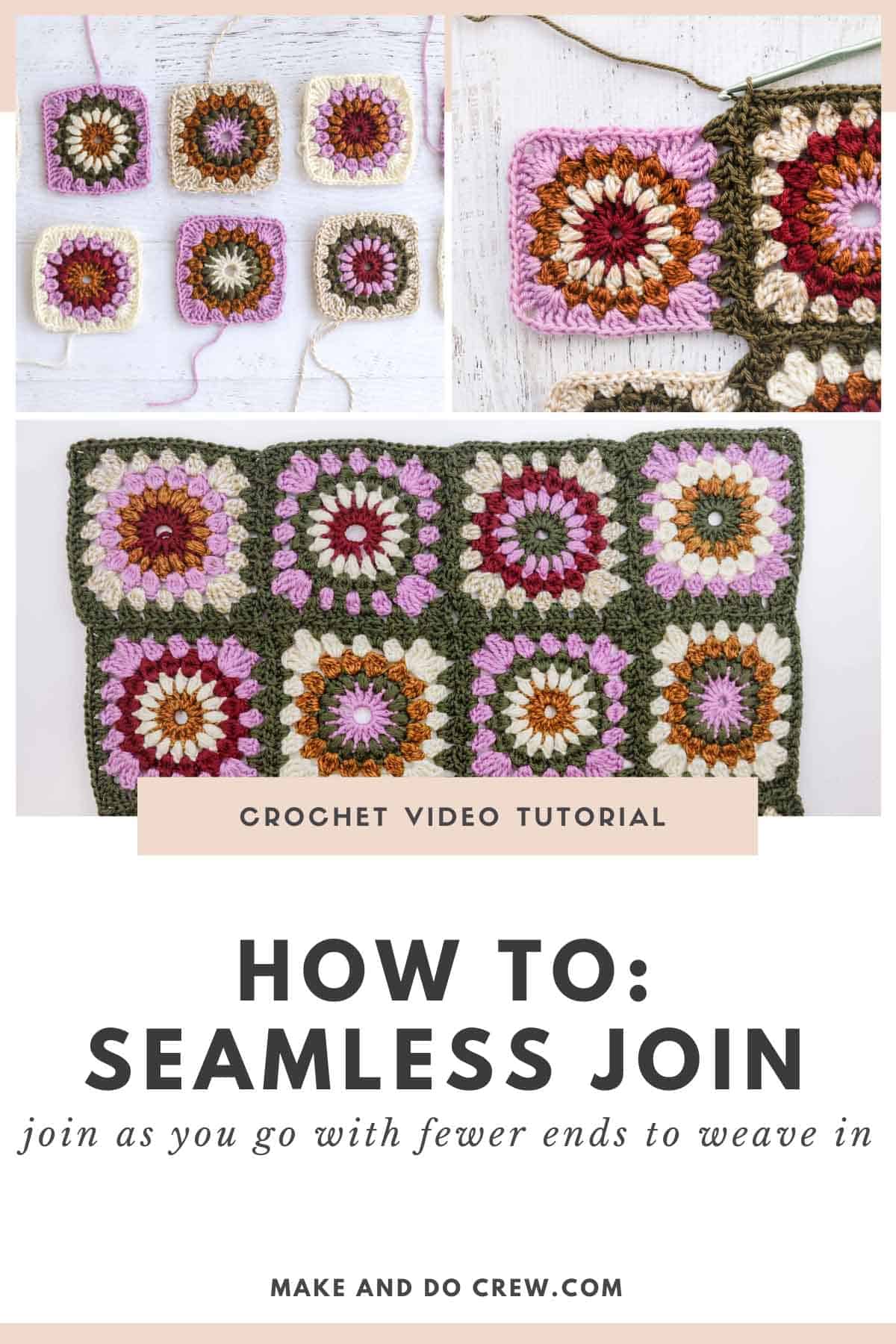
Motifs are individual units joined to create larger fabrics like tablecloths and blankets. A standard three-round square or hexagonal motif measures about 2 inches.
Build the Three-Round Motif
- Round 1: Chain 6, join, and work [1 double crochet, chain 2] eight times to create 8 petals.
- Round 2: Work [4 double crochets, chain 2] into each chain-2 space to expand the shape.
- Round 3: Create corners by chaining 8 between sections of double crochets to shape the square or hexagon.
Join Motifs Seamlessly Without Sewing
Avoid sewing by integrating the joining process as you crochet the final round.
* Corner-to-Corner: Instead of chaining 8 for the corner, chain 4, insert your hook into the adjacent motif’s corner loop, pull through, and chain 4 more.
* Side-to-Side: Instead of chaining 3 for the side space, chain 1, insert your hook into the neighbor’s chain-3 space, single crochet, chain 1, and return.
Fix Mistakes: If a section has only 3 double crochets instead of 4, work 2 double crochets into the middle stitch next round to correct the count without frogging.
Beginner-Friendly Lace Projects to Start Today
Start your journey with simple shawls and scarves that use basic stitches but look complex. These projects typically take 4 to 8 hours to complete.
Simple Shawls and Scarves
- Aspen Shawl: Uses only double crochet and chains, relying on yarn color for impact.
- Wave Shawl: Features V-stitches and shells in a triangular shape using fingering weight.
- Royalty Scarf: Combines double and single crochets to appear intricate while working up fast.
- Wayward Scarf: Uses one ball of self-striping yarn with large shell repeats.
Pro Tip: Place stitch markers every 10 stitches to avoid miscounts during long rows.
Intermediate Garments and Home Decor Ideas
Once you master basic repeats, try lightweight tops or elegant home accents that require slightly more attention to shaping.
Crochet Lightweight Tops
- Shelby Top: Features large triple crochet shells with a two-panel construction including sleeves.
- Midnight Top: A raglan yoke top with a lacy double crochet pattern that finishes in a few hours.
- Parisian Dress: Combines a fitted bodice with a flowy lace skirt, ideal for summer wear.
Fit Tip: Adjust the length of these garments by repeating body rows without changing the pattern.
Make Elegant Home Accents
- Seaside Wall Hanging: Features a shell center with an open top for a modern boho look.
- Iris Lace Table Runner: Uses long strips of netting and shells for dining elegance.
- Forget-Me-Not Coasters: Floral lace designs that pop when made with solid yarn.
- 30-Minute Trivet: A functional lace item proving not all lace is fragile.
Care Tip: Hand wash lace home decor items and lay them flat to dry to maintain their shape.
Advanced Lace: Mandala and Doily Mastery
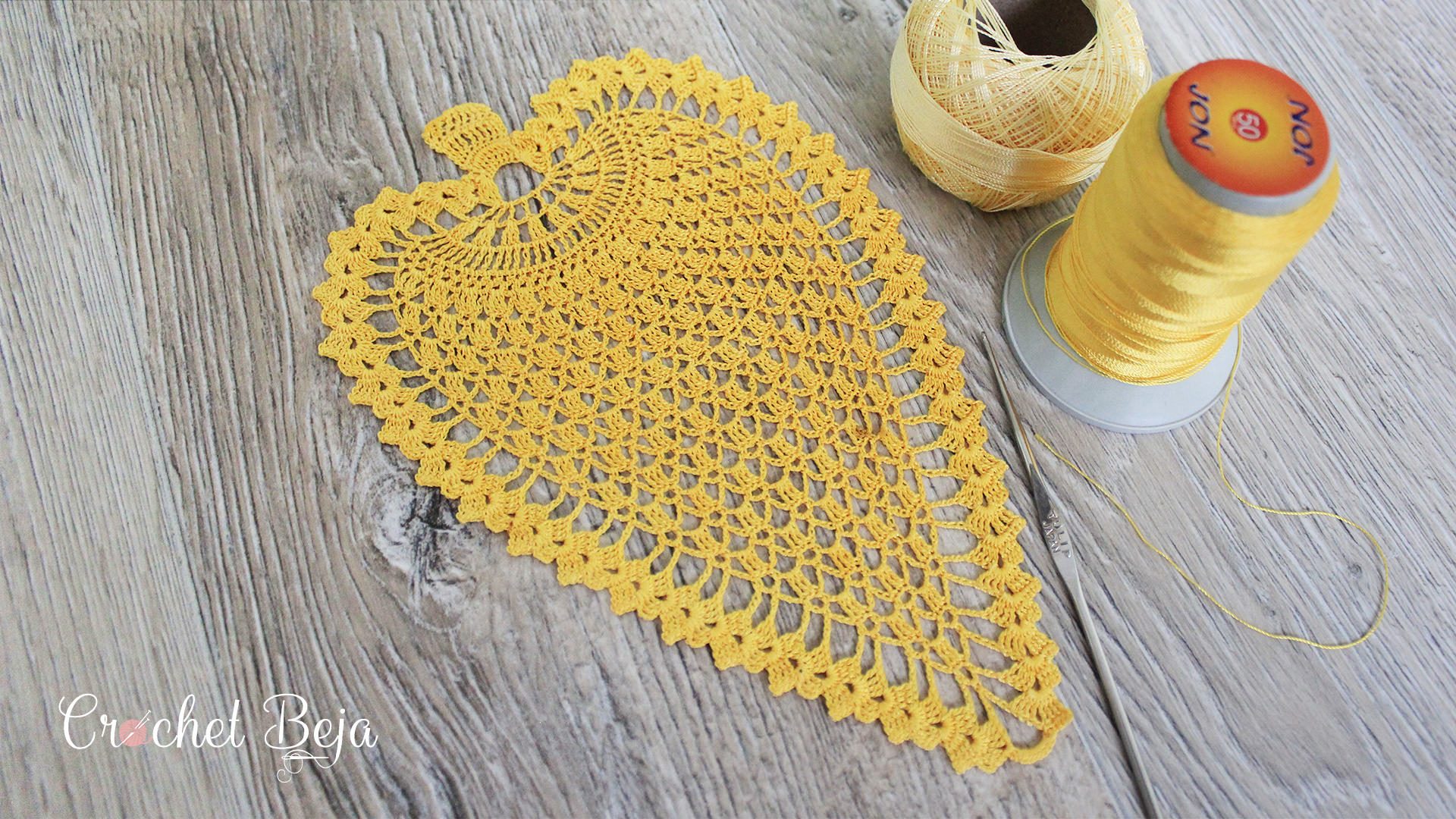
Tackle advanced projects like Stellar Mandalas that use fine cotton thread and intricate pineapple lace motifs. These designs often require precise tension and blocking to open fully.
Tackle Pineapple Lace Motifs
- Key Features: Vintage flair with intricate shaping and fine detail.
- Requirements: Available in small free versions and large premium versions requiring fine thread.
- Challenge: Tight tension can pucker the fabric, so practice with sport weight yarn first.
Blocking Guide: Pin the piece to shape, mist with water, and let it dry overnight to reveal the full design.
Avoid Common Lace Mistakes
Maintaining consistent tension is critical for successful lace work. Errors in tension or counting can ruin the delicate balance of the fabric.
Maintain Consistent Tension
- Too Tight: Causes the fabric to curl or pucker, which is common in motifs.
- Too Loose: Makes holes uneven and stitches undefined.
- Fix: Use a hook one size larger than recommended for the yarn if your tension is tight.
Never Skip Stitch Counting
Lace patterns rely on exact counts, and missing one stitch can cascade into a misaligned row.
* Count stitches at the end of every row.
* Use a row counter or app to track progress.
* Place markers at pattern repeats to visualize sections.
Warning: Turning chains must be correct, such as chain 3 for double crochet and chain 4 for treble crochet.
Block Your Work for Professional Results
Blocking opens lace stitches, evens out tension, and gives projects a polished finish. This step is crucial for shawls, doilies, and garments.
Why Blocking Matters
Blocking expands the lace to its intended size and defines the stitch pattern clearly. Items like the Amore Shawl and Stellar Mandalas look drastically different after blocking.
How to Block Correctly
- Soak the piece in lukewarm water without agitation.
- Gently press out water without wringing or twisting the fabric.
- Lay the item on a towel and shape it with pins to the desired dimensions.
- Let it dry completely before removing pins.
Alternative: Use steam blocking for synthetic blends by keeping the iron 1 inch above the fabric.
Adapt and Customize Your Lace Designs
You can resize motifs and garments or mix yarns to create unique custom pieces. Understanding scaling rules helps you adapt patterns to your needs.
Resize Motifs and Garments
- Larger Motif: Increase the chain count in Round 1 or use thicker yarn.
- Smaller Shawl: Use a smaller hook or switch from sport to fingering weight.
- Scaling Rule: A 1 mm change in hook size results in approximately a 10% size difference.
Mix Yarns and Colors Creatively
- Solid Yarns: Highlight stitch definition in complex patterns.
- Self-Striping: Enhance simple lace patterns with automatic color changes.
- Contrast Edging: Add a border in a darker yarn to frame the lace effectively.
Pro Tip: Save yarn tails from foundation rings to use later for seamless weaving.
Frequently Asked Questions About Crochet Lace Patterns
What yarn is best for beginner lace projects?
Sport or DK weight cotton blends are ideal because they offer good stitch definition and are easier to handle than fine threads. They provide enough structure for beginners to see their stitches clearly.
How do I prevent my lace from curling?
Curling usually happens when tension is too tight or the wrong hook size is used. Try using a hook one size larger than recommended and ensure you are not pulling the yarn too tightly.
Can I use bulky yarn for lace patterns?
Yes, bulky yarn works well for functional items like trivets or wall hangings. It creates a bold, open texture that works up quickly, though it lacks the delicacy of fine thread.
Why is blocking necessary for lace crochet?
Blocking opens up the stitch work, evens out tension inconsistencies, and gives the project its final shape. Many lace patterns look small and crumpled until they are blocked properly.
How do I join lace motifs without visible seams?
Use the join-as-you-go method by crocheting through the loops of adjacent motifs instead of sewing. This preserves the lacy aesthetic and creates a seamless finish.
Key Takeaways for Mastering Crochet Lace Patterns
Success in crochet lace patterns depends on selecting smooth yarns, maintaining consistent tension, and counting stitches accurately. Whether you choose fine thread for doilies or bulky yarn for trivets, the principles of openwork remain the same.
Start with simple shawls or scarves to build confidence before tackling complex motifs or garments. Remember that blocking is essential for revealing the true beauty of your work, so never skip this final step. Pick a beginner-friendly pattern today and begin your journey into the elegant world of lace crochet.