How to Wash Lace: Quick Steps
You bought beautiful lace lingerie only to find it frayed, stretched, or stiff after one wrong wash. Lace is incredibly fragile, and harsh cleaning methods are the fastest way to ruin its elegant structure forever.
Most lace items need gentle hand washing with mild soap to stay soft and intact. This guide shows you exactly how to wash lace safely, dry it without damage, and avoid the common mistakes that destroy delicate fibers.
Why Hand Washing Is Essential for Lace

Machine washing subjects lace to aggressive agitation and spinning forces that stretch fibers beyond repair. The tumbling action can snag intricate patterns, while high-speed spins distort the fabric shape permanently.
Hand washing gives you total control over water temperature and physical handling. This method ensures your delicate garments remain pristine rather than becoming damaged rags.
The Right Water Temperature and Detergent
Fill a clean basin with lukewarm water rather than hot or cold extremes. Hot water weakens fine threads and causes shrinkage, while cold water may not release oils effectively.
Add a small amount of gentle detergent designed specifically for delicates. Avoid bleach, enzymes, or fabric softeners since these harsh chemicals degrade fine threads over time.
- Submerge the item gently without pulling
- Agitate water softly with your hands
- Soak for 5 to 10 minutes maximum
- Dab soiled areas lightly instead of scrubbing
How to Rinse Without Damaging Fibers
Thorough rinsing removes soap residue that causes stiffness and skin irritation. Use fresh lukewarm water and swirl the garment gently until no suds remain visible.
Press the fabric against the basin side to release water rather than wringing it out. Treat every piece like a wet spiderweb because it stretches and tears easily under pressure.
Proper Drying Techniques for Delicate Lace
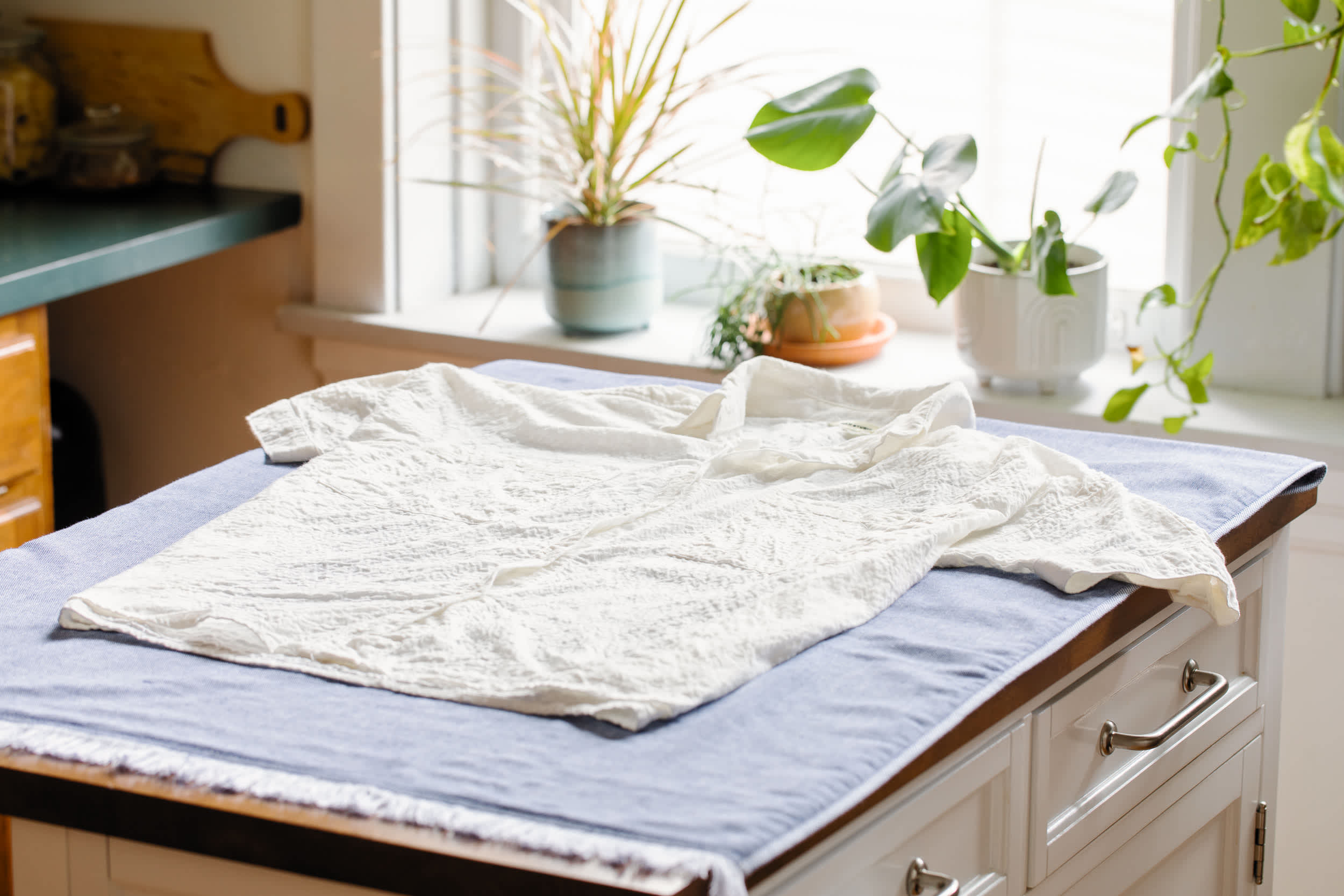
Improper drying ruins more lace than the washing process itself. Heat and mechanical action from dryers scorch fibers and create permanent holes in delicate materials.
Lay Flat or Hang with Care
Reshape your lace item to its original dimensions before drying begins. This step prevents permanent distortion as the fabric sets while damp.
- Lay flat on a clean towel away from direct sunlight
- Hang carefully using padded hangers or smooth surfaces
- Avoid wire hangers that create pressure points
- Skip metal clips that pinch and break threads
Allow the garment to air dry completely, which usually takes 4 to 6 hours depending on humidity. Never wear lace until it is fully dry to prevent stretching the damp fibers.
Why You Must Avoid Dryers Completely
Dryer heat scorches delicate fibers and causes irreversible shrinkage in natural materials. The tumbling action tangles intricate patterns and creates friction that leads to pilling and holes.
Even the lowest heat setting poses too much risk for valuable lace pieces. Air drying is the only safe method to preserve the softness and structural integrity of your garments.
Pre-Washing New Lace for Maximum Comfort
New lace often feels stiff and scratchy against the skin due to manufacturing residues. This coating called sizing helps the fabric hold its shape during packaging and shipping.
Remove Starch and Sizing Agents
A simple pre-wash removes these industrial coatings before you ever wear the item. This process softens the fibers immediately and prevents skin irritation from day one.
Follow the standard hand-wash routine with mild soap and lukewarm water. One gentle cycle is enough to eliminate stiffness without compromising the delicate structure of the lace.
Pro Tip: Always pre-wash new lace underwear or sleepwear if it feels rigid. This simple step transforms an uncomfortable garment into a luxurious piece you will love wearing.
Essential Safety Steps Before Washing Lace
Simple oversights can cause catastrophic damage to delicate fabrics within seconds. Preparation is just as important as the washing technique itself.
Remove Jewelry and Sharp Objects
Rings, bracelets, and rough nail polish edges snag lace threads instantly. A single pulled thread can unravel an entire section of your garment during washing.
- Take off all rings and bracelets before handling
- Ensure your nails are smooth and free of chips
- Clear your workspace of sharp objects
- Work in a clutter-free area to prevent accidents
Using Mesh Bags for Machine Washing Risks
Hand washing remains the gold standard, but some sturdy lace blends tolerate machines if absolutely necessary. You must take extreme precautions to minimize risk.
Place the item inside a delicate mesh laundry bag for protection. Select the hand-wash or delicate cycle with cold water and skip the spin cycle entirely.
- Use only for sturdy lace blends, not heirlooms
- Never machine wash silk or vintage lace
- Accept that some risk of damage always remains
- Reserve this method for items you can replace easily
Identifying Your Specific Lace Type

Different lace materials require slightly different care approaches based on their fiber content. Knowing your fabric type helps you avoid costly mistakes.
Common Lace Fiber Blends
Check the care label carefully to identify the primary material in your garment. Each fiber type has unique vulnerabilities you must respect.
- Cotton lace: Breathable but shrinks easily with heat exposure
- Nylon or polyester: More resilient but still needs gentle handling
- Silk lace: Extremely delicate and often requires professional cleaning
- Stretch elastic lace: Contains spandex that degrades with high heat
Pure silk lace or vintage pieces with metallic threads should go to professionals. When you feel uncertain about the material, always choose the most cautious cleaning method available.
Storing Clean Lace Correctly
Proper storage protects your clean lace from damage between wears. Incorrect folding or hanging can undo all your careful washing efforts.
Folding and Hanging Methods
Fold bras and delicate tops with cups inward to maintain their shape. Place tissue paper between layers to prevent snagging and absorb any residual moisture.
- Use padded hangers for robes and dresses
- Cover stored items with breathable garment bags
- Avoid plastic bags that trap moisture and cause mildew
- Keep storage areas dry and free from moths
Correct storage extends the life of your lace significantly. It keeps garments ready to wear without needing repairs or additional cleaning before use.
Spot Cleaning for Minor Stains
You do not need to full wash lace after every single wear. Spot cleaning extends time between deep cleans and reduces overall wear on fibers.
Gentle Stain Removal Steps
Dampen a soft cloth with lukewarm water and a drop of mild soap. Gently dab the affected area without rubbing, which pushes stains deeper into fibers.
Blot the area dry with a clean towel immediately after treating. Allow the spot to air dry completely before storing the garment away.
Common Mistakes That Ruin Lace
Well-meaning care errors destroy more lace than neglect ever could. Avoiding these pitfalls keeps your delicate items looking new for years.
- Using regular detergent: Too harsh and strips natural softness
- Soaking for hours: Weakens fibers and causes breakdown
- Drying on heaters: Creates brittleness and inevitable holes
- Folding wet lace: Leads to permanent creases and wrinkles
- Ignoring care labels: Some lace types strictly require dry cleaning
Stay alert to these common errors because they are the fastest route to ruined garments. Prevention is far easier than attempting repairs on damaged lace.
Signs It Is Time to Replace Lace
Lace does not last forever despite your best care efforts. Elastic degrades, threads loosen, and fabric thins with regular wear and washing.
When Repairs Are No Longer Enough
Inspect your garments regularly for signs of irreversible damage. Small snags can sometimes be secured with clear nail polish or hand stitching.
- Visible thinning or holes in the fabric
- Loss of elasticity in bands and straps
- Persistent stiffness even after proper washing
- Unfixable snags or runs that continue spreading
Widespread damage means it is time to retire the piece gracefully. Continuing to wear damaged lace risks further tearing and potential injury from broken threads.
Frequently Asked Questions About Washing Lace
Can I machine wash lace safely?
Only if the care label explicitly allows it, and even then, use extreme caution. Place the item in a mesh bag, use cold water, and select the delicate cycle. However, hand washing remains the safest option for preserving quality and preventing damage.
Why does my lace feel stiff after washing?
Stiffness usually indicates detergent residue or leftover sizing from manufacturing. Rinse thoroughly with lukewarm water and use less detergent next time. Switching to a no-residue formula for delicates also helps maintain softness.
Can I use vinegar to soften lace?
Yes, adding a splash of white vinegar to the final rinse helps remove soap buildup. Use just one tablespoon per basin to restore softness without damaging fibers. Avoid apple cider vinegar or scented varieties that leave residues.
How often should I wash lace lingerie?
Wash lace lingerie after two to three wears depending on your activity level and climate. If worn next to skin with sweat exposure, wash more frequently. Decorative items only need spot cleaning and airing out between uses.
Does lace shrink when washed?
Lace can shrink, especially cotton or silk varieties exposed to hot water or heat drying. Always use cold or lukewarm water and air dry to prevent shrinkage. Heat is the primary enemy of lace dimensions.
Key Takeaways for Washing Lace Safely

Proper care transforms how long your lace lasts and how good it feels against your skin. Hand washing with mild soap, air drying away from heat, and storing with care protects both beauty and comfort.
Start this simple routine today to preserve your valuable lace pieces. Whether it is an expensive bra or a vintage heirloom, every lace item deserves this gentle approach to cleaning.