Types of Lace Wigs: The Complete 2026 Guide
Choosing the right wig often feels impossible when you face so many options for construction and fabric. You might want a natural hairline or the ability to wear high ponytails, yet the sheer number of types of lace wigs creates confusion for many buyers.
This guide breaks down every major category by lace placement and material composition so you can match a wig to your lifestyle. You will learn exactly which dimensions suit your styling goals and how different fabrics perform on various skin tones.
Lace Closure Wigs for Low-Maintenance Styling
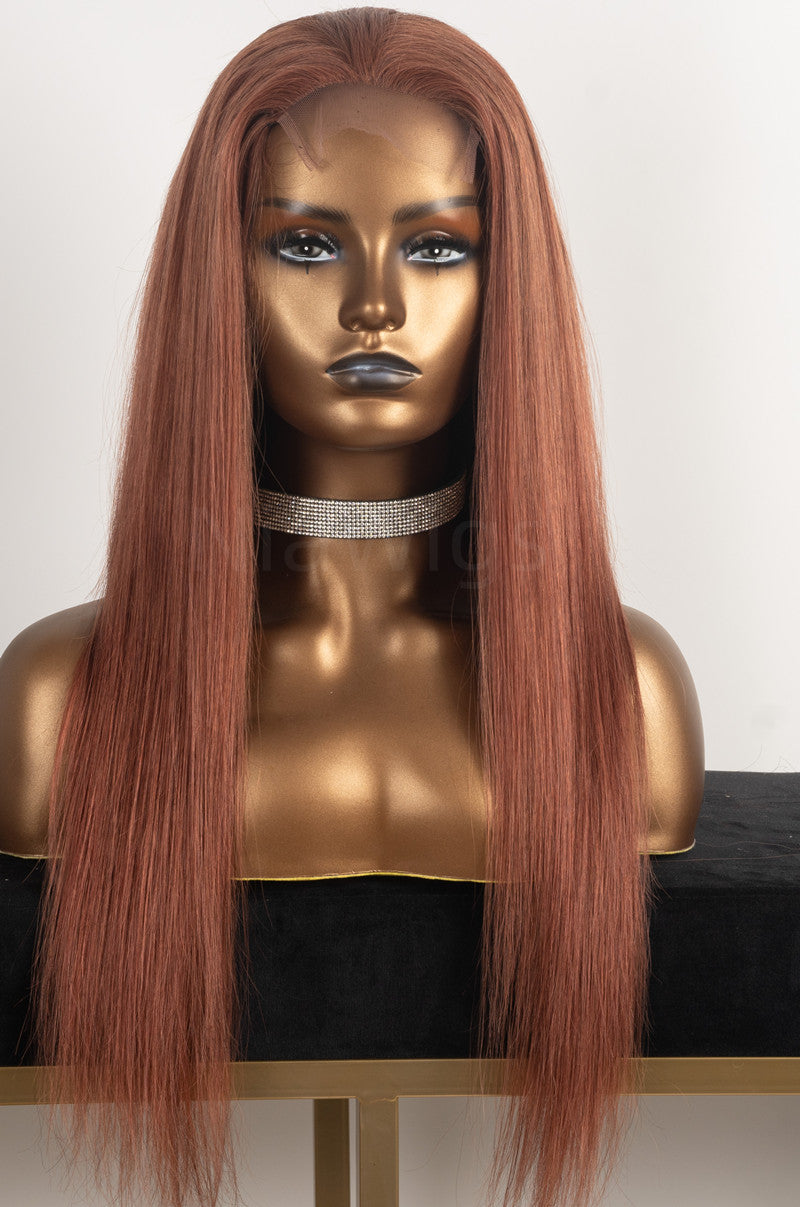
Lace closure wigs feature a small, hand-tied lace panel placed at the crown or top-center of the head. This design mimics a natural part while the rest of the cap uses machine-made wefts for durability and volume.
Standard Dimensions and Construction
These units typically come in 4×4, 5×5, or 7×5-inch sizes. The lace section contains hand-tied hairs for a realistic part, while the remaining cap relies on machine construction. This hybrid approach makes them ideal for beginners who need a secure fit without complex installation.
Styling Limitations and Benefits
You can style these wigs with middle or side parts within the closure area. However, you cannot wear high ponytails or updos that expose the back or sides of the cap. They are perfect for daily wear when you prioritize ease of use over total styling freedom.
Lace Front Wigs for a Natural Hairline
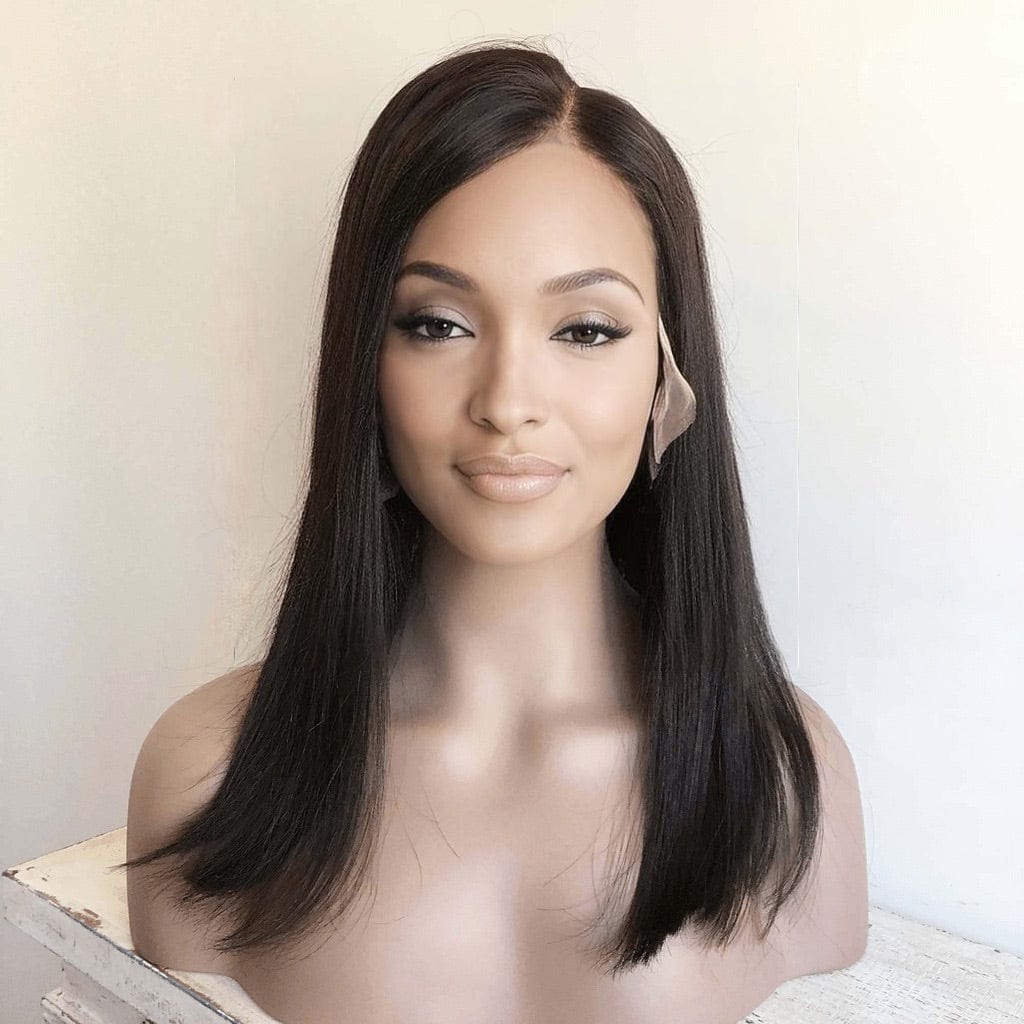
Lace front wigs include a lace panel stretching from ear to ear across the forehead to create an undetectable hairline. Common sizes include 13×4 inches and 13×6 inches, with the larger size offering deeper parting versatility.
Construction and Security Features
The front features hand-tied individual hairs on lace, while the back and sides use machine wefts. Modern versions often include built-in combs and adjustable bands for a glueless fit. This construction allows for side parts and bangs while keeping the back secure.
Ideal Use Cases for Daily Wear
These wigs suit users who want a natural forehead line without the cost of a full lace unit. You should avoid updos that pull hair back to reveal the non-lace back of the cap. They strike a balance between realism and practicality for everyday activities.
T-Part Lace Wigs for Targeted Versatility
T-part wigs combine an ear-to-ear lace front with a deep center part to form a distinct “T” shape. This design concentrates lace material where you need it most for a realistic look at a lower cost.
Design Logic and Cost Efficiency
The typical dimension is a 13-inch width across the front with a 5-inch depth for the center part. This configuration saves on lace material compared to full frontals while still allowing natural middle or side parts. It is a smart upgrade for those on a budget.
Styling Capabilities and Restrictions
You can create seamless middle parts and low to mid-level ponytails with this style. The machine-made back means you still cannot expose the nape area fully. This type offers more versatility than a standard closure but less than a 360 lace wig.
360 Lace Wigs for Full Perimeter Styling
A 360 lace wig features sheer lace wrapping around the entire perimeter of the cap from front to back. This continuous lace band allows you to style your hair up or away from your face completely.
Construction and Styling Freedom
The center crown is usually machine-made, while a 2 to 3-inch lace band circles the head. This design supports high ponytails, buns, and intricate updos that expose the neckline. It offers significantly more flexibility than a standard lace front.
Durability and Weight Considerations
These wigs are generally more resilient than full lace units due to the reinforced center. However, the full lace band can make them slightly heavier than front-only options. They are perfect for active lifestyles or anyone who loves versatile hairstyles.
Full Lace Wigs for Maximum Realism
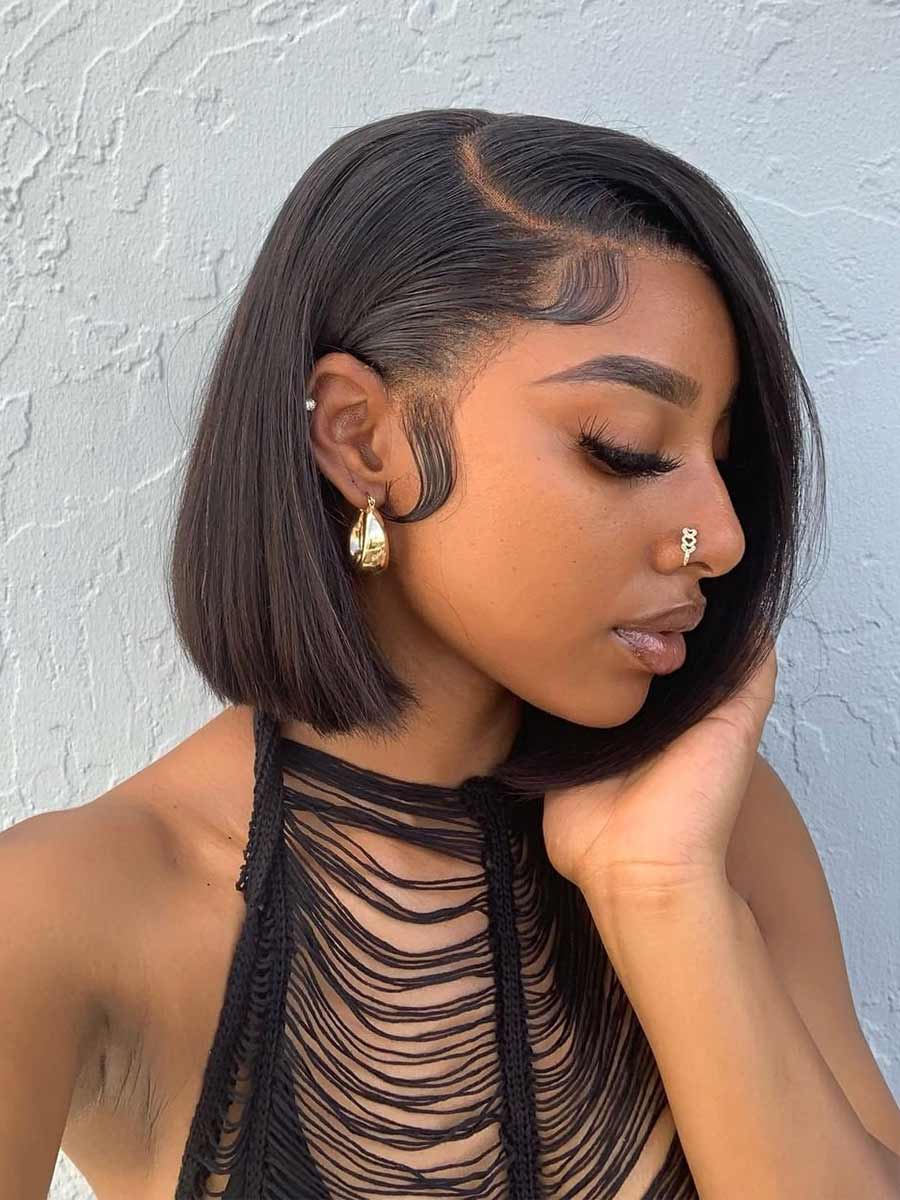
Full lace wigs are constructed entirely from hand-tied lace from front to back with no machine-made sections. This labor-intensive process results in the highest level of realism and styling freedom available.
Unrestricted Styling Potential
You can wear any part, including deep side parts, and style your hair in any updo imaginable. There are no limits to how you can arrange the hair since the entire cap mimics a natural scalp. This makes them the top choice for special events.
Fragility and Care Requirements
The all-lace construction makes these wigs fragile and prone to tearing if handled roughly. They require expert handling during installation and removal to ensure longevity. The high cost reflects the skilled labor required to create them.
Swiss Lace for Comfort and Daily Wear
Swiss lace is a popular choice known for its soft texture and ability to blend seamlessly with various skin tones. It strikes a balance between realism and durability for regular use.
Texture and Blending Capabilities
This material feels feather-light and molds easily to the scalp for maximum comfort. It disappears well on most skin tones when applied with the correct adhesive. Beginners often prefer it for its forgiving nature compared to finer laces.
Durability Profile
Swiss lace offers moderate durability, making it more resilient than HD or film lace. It withstands daily wear better than ultra-thin options while still providing a natural look. This makes it a reliable choice for long-term wearers.
French Lace for Durability and Strength
French lace features a thicker weave with a visible grid pattern known as “grips” that adds significant strength. It is designed for users who prioritize longevity over ultra-fine realism.
Strength and Structural Integrity
The thick grid pattern makes this lace highly resistant to tearing during installation or styling. It holds up well under heavy styling and long-term wear scenarios. Users with active lifestyles often choose this for its toughness.
Visual Limitations Under Light
The grid pattern can become visible under bright lights or high-definition cameras if not saturated with adhesive. It is less breathable than Swiss lace due to the thicker material. This type is best for situations where durability matters more than close-up invisibility.
HD Lace for Undetectable Camera Results

High Definition (HD) lace is engineered to be ultra-thin and highly ventilated for undetectable results. It is softer and lighter than standard lace, designed to “melt” into the skin.
Superior Realism for Media Work
This material offers a seamless transition from the frontal to the scalp, even under intense lighting. It is the preferred choice for on-camera work, influencers, and premium everyday wear. The reinforced grid maintains integrity while remaining nearly invisible.
Fragility and Handling Warnings
HD lace is delicate and prone to snags during installation or brushing. You must use minimal adhesive to preserve the “no-lace” illusion. Expert handling is essential to prevent tears and extend the life of the wig.
Transparent and Brown Lace for Skin Tone Matching
Transparent lace is nearly clear and designed to vanish on light skin tones, while brown lace comes pre-colored for deeper complexions. Both options eliminate the need for extensive customization.
Transparent Lace for Lighter Complexions
This lace disappears seamlessly on fair to medium skin when applied correctly. It may look obvious on deeper skin tones unless blended with makeup or adhesive. Precision during installation is critical to avoid visible gaps.
Brown Lace for Deeper Skin Tones
Brown lace matches dark or melanated skin tones without requiring bleach or makeup. It offers a natural look straight out of the box for women with black or dark brown skin. This option is both durable and cost-effective.
Film Lace for Professional Media Production

Film lace is the thinnest and most invisible option available, mimicking real scalp tissue perfectly. It is the gold standard for film, television, and high-resolution photography.
Ultimate Invisibility Under Scrutiny
This material remains undetectable even in 4K close-ups and intense lighting conditions. It provides the highest level of realism possible for professional actors and content creators. No other lace type blends quite as effectively.
Extreme Fragility and Repair Needs
Film lace is extremely delicate and tears easily during installation or styling. It is not suitable for beginners and requires expert application. Small tears can be repaired with leftover hair fibers and adhesive, but prevention is key.
Selecting the Best Wig for Your Needs
Choosing the right types of lace wigs depends on matching your specific needs to the available options. You must consider your skin tone, styling goals, and experience level.
Matching Lace to Skin Tone
Light to medium skin tones benefit most from transparent, Swiss, or HD lace. Deep to dark skin tones look most natural with brown lace or tinted HD options. Always ensure the lace color complements your complexion for the best blend.
Aligning Wig Type with Lifestyle
Beginners should start with lace closures or glueless lace fronts for easy maintenance. Style lovers who wear updos need 360 lace or full lace wigs for versatility. Professionals on camera should invest in HD or film lace for flawless results.
Final Thoughts on Choosing Types of Lace Wigs
Understanding the different types of lace wigs empowers you to make a confident decision based on facts rather than marketing hype. Whether you need the durability of French lace or the invisibility of film lace, there is a perfect match for your specific situation.
Focus on your primary goal, such as daily comfort or camera readiness, to narrow down your choices effectively. Start with a beginner-friendly option if you are new to wigs, or invest in premium materials if you require professional-grade realism.
Frequently Asked Questions About Lace Wigs
What is the difference between a lace front and a full lace wig?
A lace front wig has lace only across the forehead, while the rest is machine-made. A full lace wig is made entirely of hand-tied lace, allowing for updos and parts anywhere on the head.
Which lace type is best for beginners?
Lace closure wigs and Swiss lace front wigs are best for beginners. They are easier to install, more durable, and less prone to tearing during the learning process.
Can I wear a lace wig if I have dark skin?
Yes, brown lace is specifically designed to blend seamlessly with dark or melanated skin tones. You can also tint transparent or HD lace to match deeper complexions.
How long does HD lace last compared to French lace?
HD lace is more delicate and may have a shorter lifespan if not handled with extreme care. French lace is thicker and more durable, often lasting longer with regular wear.
Is film lace worth the extra cost?
Film lace is worth the cost for professional media work where undetectable realism is critical. For daily wear, the extreme fragility may make it less practical than other options.
Can I repair a torn lace wig?
Small tears in film or HD lace can be repaired using leftover hair fibers and adhesive. However, prevention through careful handling is always better than attempting repairs.