How to Lace Jordan 8: Quick Steps
You just unboxed a fresh pair of Jordan 8s, but the unique straps and dual lacing system make standard methods fail. Many owners struggle to thread the D-rings correctly or achieve a secure fit without ruining the shoe’s iconic silhouette.
This guide teaches you exactly how to lace Jordan 8 shoes using factory-approved techniques and custom variations. You will learn to master the strap system, lock your heel in place, and choose the right lace length for your specific size.
Execute the Standard Jordan 8 Lacing Method

The factory-default pattern provides the intended balance of support and style for most wearers. This method respects the shoe’s original architecture while ensuring the straps function correctly.
Begin with the Bottom Eight Eyelets
Start by threading your flat laces through the lowest eyelets from the outside in. Crisscross the laces upward through the next six sets of eyelets, keeping tension even on both sides. Do not thread the laces through the strap D-rings yet. This base layer creates the foundation for the upper lockdown system.
Thread the Strap D-Rings Inside-Out
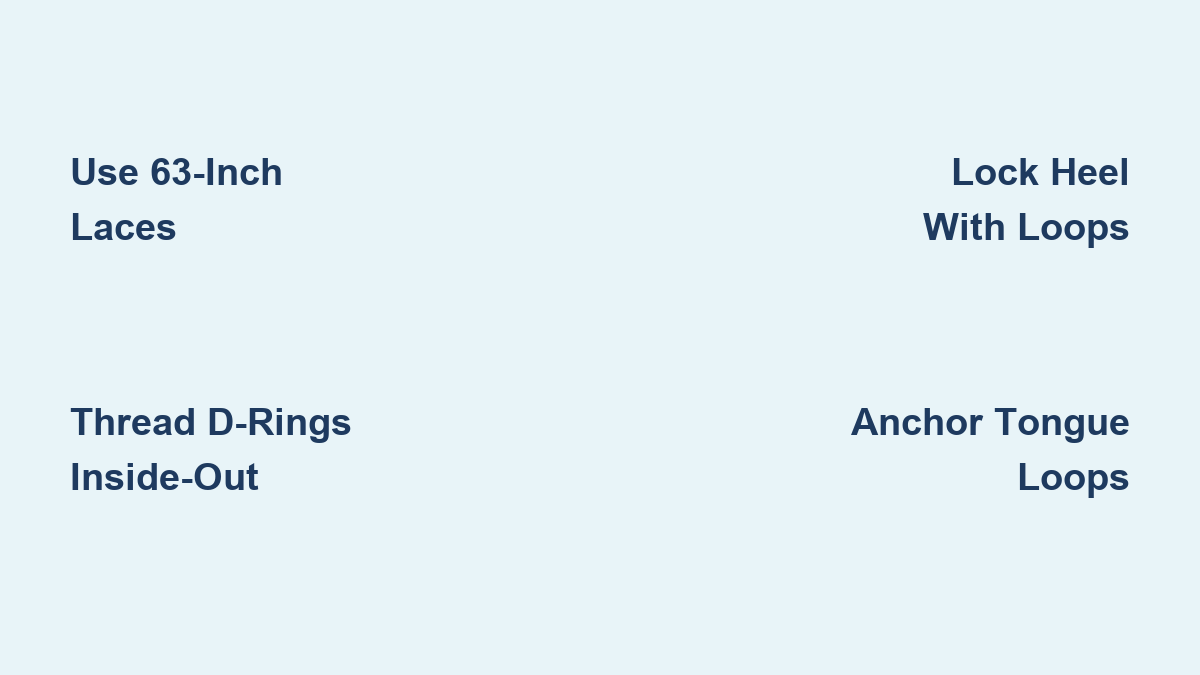
Take the left lace end and feed it through the left D-ring from the inside out. Repeat this on the right side with the right lace end. This specific direction ensures the lace sits flush against the padded strap and prevents unnecessary bulk.
Cross and Secure Through Rear Loops
Cross both lace ends over the top of the tongue toward the opposite side. Feed each end through the rear-facing loop on the opposite strap from the outside in. Pull tight to customize ankle snugness and tie a standard bow knot. Tuck the knot under the crossed laces for a clean, display-ready profile.
Apply Heel Lock Lacing for Superior Stability
Runners and athletes often need extra security to prevent heel slip during movement. Adapting the runner’s loop technique for the Jordan 8 creates a custom fit that standard lacing cannot match.
Create Loops at the Top Eyelets
Lace the shoe normally up to the second-to-last eyelet, just below the strap assembly. Instead of crossing over, feed each lace end back through the same eyelet it just exited, but from the outside in. This forms a small vertical loop on each side of the shoe.
Lock the Heel Before Engaging Straps
Cross your laces and thread each end through the loop on the opposite side. Pull firmly away from the shoe to tighten the collar around your ankle. Now proceed to thread the D-rings and rear loops using the standard inside-out and outside-in method described previously.
Tighten for a Custom Fit
This hybrid approach locks your heel in place before the straps apply final pressure. It is ideal for wide feet or high-impact activities where the foot might slide forward. The result is a secure, glove-like fit that honors the shoe’s performance heritage.
Optimize Display Lacing for Collectors
Shelf queens and collectors prioritize symmetry and visual impact over athletic performance. Display lacing focuses on perfect alignment and premium materials to make your Jordan 8s pop in photos.
Select Premium Waxed Laces
Swap stock laces for high-quality waxed options that hold their shape better. Choose a length of 63 inches if you plan to leave long, dramatic tails. Contrasting colors, such as red laces on a white shoe, create immediate visual interest.
Eliminate the Knot for Clean Lines
Complete the standard cross-over pattern through the straps but skip tying a bow. Drape the loose ends neatly along the tongue or tuck them under the crossbar for a minimalist look. You can use a small magnetic clip hidden under the tongue to hold the shape.
Perfect the Symmetry
Use tweezers to adjust every交叉 point so the X-patterns are uniform. Ensure the Nike logo on the strap sits perfectly centered and the leather overlays lay flat. This attention to detail keeps your collection looking showroom-ready year-round.
Try Alternative Bar Lacing Styles
Bar lacing offers a sleek, horizontal aesthetic that reduces pressure points on the top of the foot. This style mimics dress shoes and works well for casual wear.
Lace Straight Across the Bottom Section
Thread the lace straight across the bottom eyelets rather than crisscrossing. Bring both ends up vertically to the next set of eyelets and run them straight across again. Repeat this ladder pattern up to the sixth eyelet to create clean horizontal bars.
Transition to Cross Pattern for Straps
Switch back to diagonal crossing from the sixth eyelet upward to accommodate the strap hardware. Proceed with the standard D-ring threading method to secure the ankle. This hybrid approach combines a refined look with the necessary functionality of the Jordan 8 upper.
Utilize the Hidden Tongue Stabilizer
The Jordan 8 features a secret design element that prevents the tongue from sliding sideways during wear. Ignoring this feature often leads to discomfort and an uneven look.
Weave Laces Under Tongue Loops
Locate the small fabric loops attached to the underside of the tongue near the midfoot. After lacing the bottom section, pass each lace segment under its corresponding loop before moving upward. This simple step anchors the tongue centrally.
Prevent Tongue Roll During Activity
Securing the laces under these tabs stops the tongue from bunching or rolling to one side. This is crucial for maintaining comfort during long walks or basketball games. It ensures the padded collar stays aligned with your ankle bone.
Choose the Correct Lace Length and Material
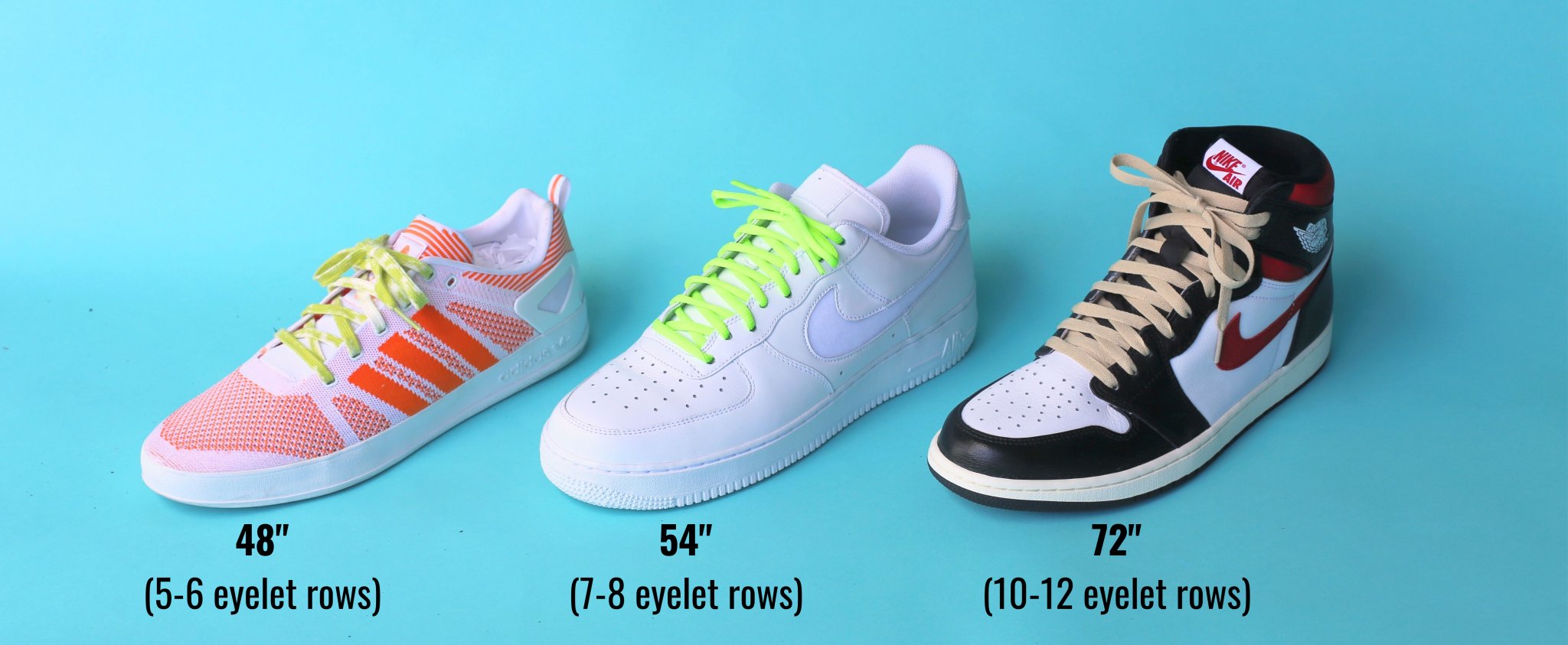
Using the wrong lace size can ruin the entire lacing process, especially with the extra length required for the straps. Proper selection ensures you can complete the pattern without running short.
Match Length to Your Shoe Size
- US Men’s 7–8: Use 48 to 52-inch laces
- US Men’s 9–10: Use 54-inch laces
- US Men’s 11–12: Use 63-inch laces
- US Men’s 13+: Use 72-inch laces
Always test your current laces before trimming or buying new ones. The dual strap system consumes significantly more lace than standard sneakers.
Select the Best Material for Your Needs
- Flat cotton: Offers a classic feel with good grip for daily wear.
- Waxed laces: Provide stiffness that holds shapes well for displays.
- Polyester blends: Deliver durability and moisture resistance for sports.
Avoid round or elastic laces as they slip easily through the metal D-rings. Textured laces provide the friction needed to keep the straps secure.
Troubleshoot Common Lacing Issues
Even experienced sneakerheads face challenges with the Jordan 8 complex upper. Understanding these common pitfalls helps you fix problems quickly.
Solve Short Lace Problems
If your laces feel too short after threading the straps, you likely need a longer pair. The dual strap route adds extra length requirements that 52-inch laces cannot always satisfy on larger sizes. Upgrade to 63-inch laces to ensure you can tie a proper knot.
Fix Uneven Strap Tension
One strap sitting higher than the other usually indicates uneven pulling during the lacing process. Re-lace the shoe and ensure you pull both ends with equal force after threading the D-rings. Check that you haven’t skipped the tongue stabilizer loops.
Stop Laces from Popping Out
Laces slipping out of D-rings often result from using laces that are too thin or smooth. Switch to textured or waxed laces for better friction. Verify you are threading inside-out on the front D-ring and outside-in on the rear loop to maximize retention.
Explore Creative Two-Tone Lacing
Express your personal style by breaking the rules with dual-color lacing schemes. This technique turns your Jordan 8s into a unique statement piece.
Combine Two Different Colors
Use one color for the bottom eight eyelets and a contrasting color for the strap section. For example, run black laces up to the sixth eyelet, tie them off, and tuck the ends. Start a second set of red laces from the seventh eyelet up through the straps.
Achieve a Deconstructed Look
For a modern vibe, skip the D-rings entirely and lace only the main eyelets. Leave the straps loose and flat against the collar. This reduces ankle support but creates a relaxed, fashion-forward aesthetic perfect for street style.
Maintain Your Laces and Eyelets
Proper care extends the life of both your laces and the shoe’s hardware. Regular maintenance prevents premature wear on high-stress points.
Rotate Lacing Patterns Weekly
Using the same pattern every day causes wear in specific eyelets and strap anchors. Rotate between standard, heel lock, and bar lacing to distribute stress evenly across the upper. This simple habit preserves the structural integrity of your sneakers.
Clean Laces and Inspect Hardware
Remove and hand-wash laces with mild soap every few weeks to remove dirt and oils. While they are off, check the D-rings and eyelets for fraying or looseness. If a D-ring wobbles, consider professional repair to prevent further damage to vintage pairs.
Frequently Asked Questions About Lacing Jordan 8s
What length laces do I need for Jordan 8s?
Most Jordan 8 sizes require 54-inch laces, but sizes 11 and up often need 63-inch laces. The complex strap system uses more length than standard sneakers, so sizing up is recommended if you are unsure.
Can I lace Jordan 8s without using the straps?
Yes, you can skip the D-rings and lace only the bottom eight eyelets for a casual look. However, this reduces ankle support and leaves the straps loose, which may affect the shoe’s intended silhouette.
Why do my Jordan 8 laces keep coming undone?
The smooth metal D-rings can cause slippery laces to loosen easily. Switching to waxed or flat cotton laces provides better friction, and ensuring you thread them inside-out helps lock them in place.
How do I stop the tongue from sliding sideways?
Thread your laces under the small fabric loops located on the underside of the tongue. These hidden stabilizers anchor the tongue in the center and prevent it from rolling during wear.
Is bar lacing possible on Jordan 8s?
You can use bar lacing for the bottom six eyelets to create a clean horizontal look. You must switch to a crisscross pattern near the top to properly engage the strap D-rings and secure the ankle.
Key Takeaways for Mastering Jordan 8 Laces
Mastering how to lace Jordan 8 shoes transforms both the comfort and appearance of this iconic silhouette. Whether you choose the standard factory method, a secure heel lock, or a creative two-tone style, proper technique ensures the straps function as designed. Remember to select the correct lace length for your size and utilize the hidden tongue loops for stability.
Now that you understand the mechanics of the D-rings and strap system, experiment with these methods to find your perfect fit. Grab your favorite pair, swap out those laces, and experience the Jordan 8 exactly as it was meant to be worn.