
How to Lace Shoes: Different Ways & Styles
Struggling with heel slippage or pressure on your foot often means you need different ways to lace shoes rather than new footwear. Most people default to the standard criss cross pattern, yet this single method cannot solve every fit issue or style goal you might have.
This guide reveals proven lacing techniques that address specific problems like wide feet, high arches, and running instability. You will learn exactly how to adjust tension zones, prevent blisters, and create unique visual patterns using the laces you already own.
Standard Lacing Techniques for Daily Wear
Everyday footwear requires reliable methods that balance comfort with a clean appearance. These foundational styles work well for office shoes, casual sneakers, and standard boots.
Criss Cross Lacing Method
The criss cross pattern remains the most common choice for normal shoes and boots due to its simplicity. You thread both ends through the bottom eyelets, cross them over the tongue, and feed them into the next set of holes diagonally. This approach provides balanced support but can create friction points that wear out laces faster.
Straight Bar Lacing Steps
Straight bar lacing creates horizontal bars across the exterior for a minimalist look. You feed the lace ends into the bottom eyelets from above, then bring one end up through the third eyelet on the opposite side to form a bar. The other lace fills the gaps by stepping up one eyelet at a time, resulting in even pressure distribution.
Hidden Knot Variation
The hidden knot technique takes straight bar lacing further by tucking the bow inside the shoe. After completing the horizontal bars, you tie the knot on the underside of the top eyelets and push it into the interior. This method delivers a seamless finish ideal for formal dress shoes where visible bows look out of place.
Performance Lacing Methods for Runners
Athletes often face specific fit issues that standard lacing cannot address during high-impact activities. These performance-focused techniques lock your foot in place and reduce injury risk.
Lock Lacing to Stop Heel Slippage
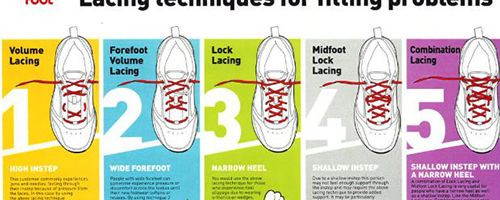
Lock lacing creates a secure pulley system that prevents your heel from sliding up and down. You lace normally to the second-to-last eyelet, run each end straight up through the top eyelet on the same side, and thread them through the opposite loops. Tightening this configuration locks your ankle firmly in position for better stability.
Gap Lacing for Pressure Relief

Gap lacing offers instant relief for pain along the top of the foot known as lace bite. You simply skip the eyelets directly over the painful area and resume the criss cross pattern higher up. This removes direct pressure from sensitive tendons or swollen spots without compromising overall fit.
Over Under Lacing Technique
Over under lacing alternates the direction of each crossover to reduce friction between the lace and eyelet. One cross goes over the tongue while the next goes under the opposite lace before threading through. This zigzag motion makes tightening and loosening your shoes significantly faster during activity.
Segmented Lacing for Custom Fit
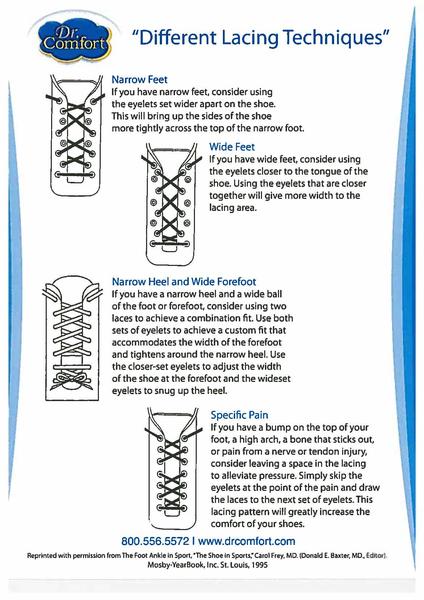
Segmented lacing uses two separate laces to control tension in different zones of the shoe. You lace the lower section loosely for toe room while keeping the upper section tight for ankle support. This customization is perfect for wide feet or uneven pressure needs that single-lace methods cannot solve.
Tactical Lacing Styles for Boots
Tall boots and tactical footwear demand secure holding power and sometimes rapid removal capabilities. These robust methods handle stiff leather and numerous eyelets effectively.
Ladder Lacing for Security
Ladder lacing forms a secure grid of horizontal bars connected by vertical segments on the inside. You thread both ends straight across the bottom, bring them up vertically, and cross them to form the next bar. This creates a firm hold that distributes pressure evenly across tall boots.
Quick Release Ladder Method
Quick release ladder lacing modifies the standard ladder pattern to allow instant loosening with one pull. You create a slipknot or loop system at the top two eyelets that unravels the entire structure when triggered. Emergency responders and military personnel use this for fast doffing in critical situations.
Gippo Lacing for Rapid Tightening
Gippo lacing combines quick tight and corset styles to allow rapid cinching of tall boots. You create small loops halfway up the shoe and lace over them to form closed eyelets at the top. Pulling the ends through these loops tightens the boot firmly in seconds.
Decorative Patterns for Sneakers
Fashion-forward wearers often seek unique looks that turn sneakers into statement pieces. These decorative patterns prioritize visual impact while maintaining functional hold.
Big Diamond Lacing Design

Big diamond lacing creates a bold geometric shape visible from the front of the shoe. You start at the second eyelet, create loops on each side, and thread the lace through eyelets four steps up to build the diamond. Flat laces work best here to maintain crisp, clean lines.
Star Lacing Pattern

Star lacing produces a symmetrical star or X-bar pattern centered on the shoe face. You feed the lace diagonally from the top, skip eyelets to form overlapping Xs, and loop under at the bottom to anchor the design. Precision is key to achieving this futuristic visual effect.
Roman Lacing Style
Roman lacing mimics ancient numerals by alternating X shapes and straight bars on the exterior. You use one section for crossed patterns and another for horizontal bars while hiding vertical segments inside. This adds a subtle classical touch to both casual and dress footwear.
Fishtail Lacing Finish
Fishtail lacing enhances the standard bow with a braided tail effect for a sleek finish. After tying a regular bow, you pull the ends through the last eyelets, twist them together, and tuck the braid inside. This eliminates loose ends for a tailored look on minimalist sneakers.
Specialized Solutions for Foot Problems
Specific foot conditions require targeted approaches to eliminate pain and improve mobility. These specialized methods address unique anatomical needs.
One Handed Lacing Technique
One handed lacing allows individuals with limited dexterity to put on shoes using only one hand. You anchor the lace at the top eyelet and lace down in a looped pattern that relies on friction to stay tight. Pulling the loose end releases the shoe instantly without untying knots.
Ukrainian Lacing for Speed
Ukrainian lacing features a permanent starting knot so you never have to re-lace from the bottom. The loose ends remain accessible for quick tightening and tying at the top only. This saves time for daily commuters and workers who wear boots regularly.
Hiking and Biking Adjustments
Hiking and biking lacing strategies prevent snagging on outdoor gear or vegetation. Hikers keep lace ends inside the shoe to avoid brush, while bikers route ends to the outside to clear chains and pedals. Both variations improve safety and reduce lace wear during outdoor activities.
Choosing the Right Lacing Method
Selecting the correct technique depends on your specific shoe type and the problem you need to solve. Matching the method to your needs ensures maximum comfort and functionality.
Match Lacing to Your Needs
Different problems require distinct solutions to achieve the best results. Heel slippage demands lock lacing, while wide feet benefit from segmented or zigzag patterns. Formal occasions call for straight bar or hidden knot styles, whereas fashion statements suit big diamond or star designs.
Lace Type Considerations
The material and shape of your laces influence which methods work best. Flat laces lay smooth for bar and diamond patterns, while round laces provide better friction for knotted or hiking styles. Ribbon laces add flair but work best for decorative wrapping rather than tight security.
Frequently Asked Questions About Shoe Lacing
Which lacing method stops heel slippage best?
Lock lacing is the most effective method for preventing heel slippage during running or hiking. It creates a pulley system at the top eyelets that locks your ankle in place securely.
How do I relieve pressure on the top of my foot?
Gap lacing relieves pressure by skipping the eyelets directly over the painful area. This creates a void that removes direct contact from sensitive tendons or swollen spots.
What is the best lacing style for wide feet?
Segmented lacing works best for wide feet by allowing independent tension control for the toe box and ankle. You can keep the forefoot loose while securing the upper part tightly.
Can I make my shoes look unique with laces?
Yes, decorative patterns like star, big diamond, and Roman lacing transform standard sneakers into fashion statements. These methods create intricate geometric shapes that stand out visually.
How do I lace boots for quick removal?
Quick release ladder lacing allows you to loosen tall boots instantly by pulling a single loop at the top. This is essential for emergency responders or anyone wearing boots with many eyelets.
Key Takeaways for Different Ways to Lace Shoes
Mastering different ways to lace shoes empowers you to fix fit issues and elevate your style without buying new gear. Whether you need the stability of lock lacing for running or the clean lines of straight bar lacing for the office, the right technique makes a significant difference.
Start by identifying your primary pain point or style goal and try one new method today. Experimenting with these patterns will help you discover the perfect fit for every pair of shoes in your collection.